
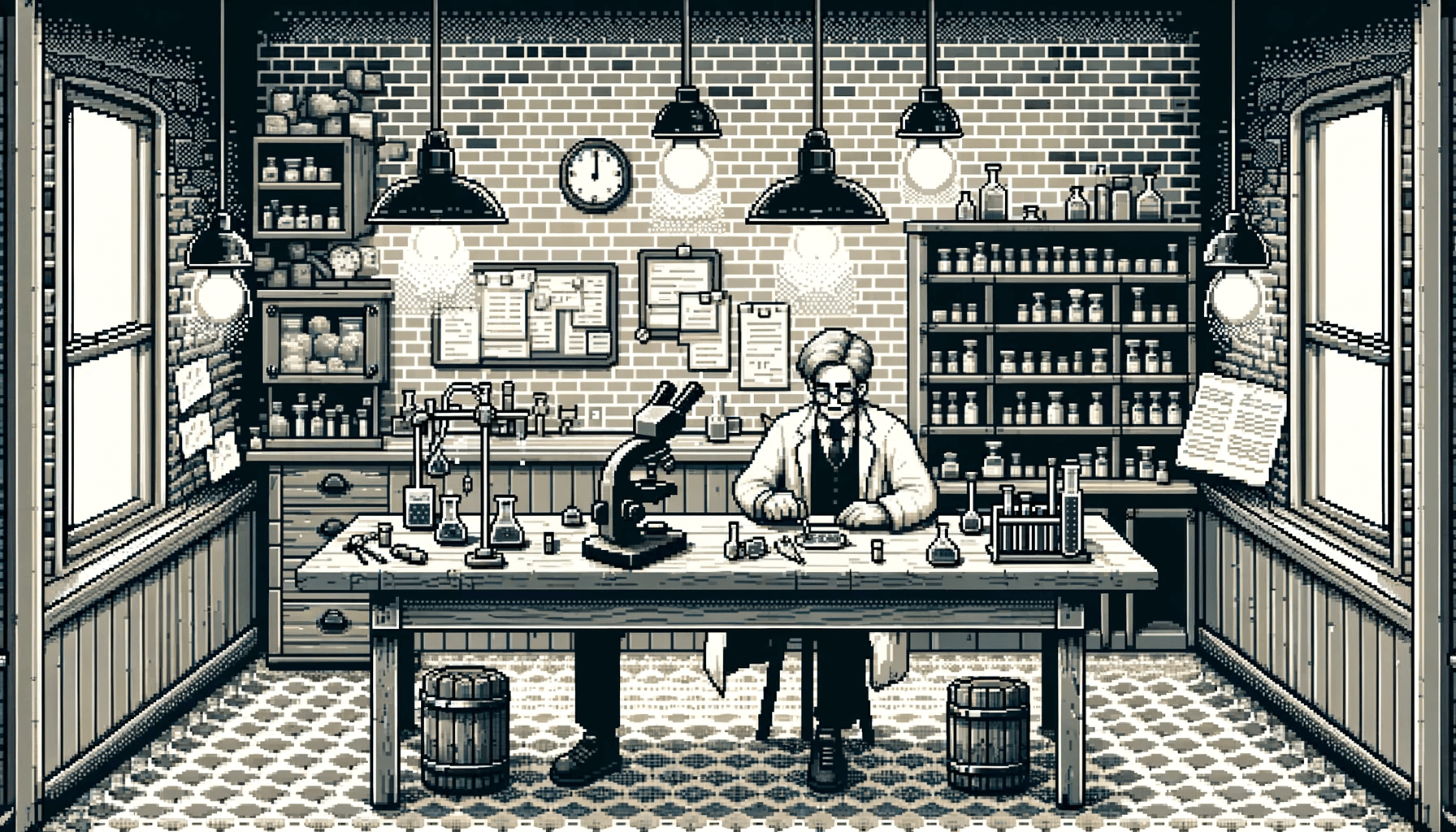
When I started teaching, the hardest part was never the code. It was the fifteen minutes at the start of every session spent fixing someone’s broken environment — a missing interpreter, a clashing version, a path that worked on my machine and nowhere else.
The reproducibility problem
Teaching is, at its heart, about reproducibility. If a concept only works when I demonstrate it, I haven’t taught anything. The same is true of software. So I went looking for a way to hand every student an identical, disposable workspace.
A good environment is invisible. You only notice it when it breaks — and a teacher cannot afford for it to break.
A container per student
Docker turned that idea into something concrete. One Dockerfile, one command, and every learner is running the exact same Python — down to the patch version. Here is the skeleton I reach for in nearly every course:
FROM python:3.12-slim
WORKDIR /app
COPY requirements.txt .
RUN pip install --no-cache-dir -r requirements.txt
COPY . .
CMD ["python", "main.py"]
It is almost boring in its simplicity — and that is the point. Boring infrastructure is reliable infrastructure.
What I tell my students
- Pin your versions. “Latest” is a promise nobody keeps.
- If it isn’t in the Dockerfile, it doesn’t exist.
- Optimise for the next person who reads this — it is usually you.
Python gave my students a language they could think in. Docker gave them a world that behaved the same way twice. Together, they let me teach the ideas instead of debugging the setup.